The Essential Guide to Machining Techniques for Pneumatic Valves
Understanding Pneumatic Valves and Their Importance
Overview of Pneumatic Valves
Pneumatic valves play a crucial role in controlling the flow of gas or air within a pneumatic system. These valves regulate pressure and direct the airflow, ensuring that machinery operates smoothly and efficiently. The design of pneumatic valves can vary significantly, with options such as solenoid valves, ball valves, and butterfly valves. Each type serves specific functions and is tailored to particular applications, making them essential components in various industrial settings. The ability to control pressure and flow with precision enhances the overall performance of pneumatic systems, contributing to increased productivity and operational safety.
Applications of Pneumatic Control Valves
Pneumatic control valves find applications across numerous industries, from automotive to manufacturing and even food processing. In automotive assembly lines, these valves control pneumatic actuators that power robotic arms, enabling precise movements and assembly tasks. In manufacturing, pneumatic valves manage the distribution of compressed air to tools and equipment, facilitating various operations such as clamping, cutting, and lifting. Additionally, these valves are crucial in the packaging sector, where they help automate processes, ensuring products are sealed and packed efficiently. Their versatility and reliability make pneumatic control valves indispensable in modern industrial applications.
The Role of Pneumatic Actuators in Systems
Pneumatic actuators work in conjunction with pneumatic valves to convert compressed air into mechanical energy. This transformation allows them to move or control mechanisms within a system. When pneumatic valves open or close, they direct air to the actuator, which then performs tasks such as lifting, pushing, or rotating components. The efficiency of pneumatic actuators significantly influences the overall performance of pneumatic systems. Manufacturers often rely on high-quality pneumatic actuators and valves to ensure optimal operation and minimal downtime. The seamless interaction between these components is vital for maintaining pressure and ensuring the reliability of the entire system.
Machining Techniques for Pneumatic Valves
Common Machining Processes for Valve Parts
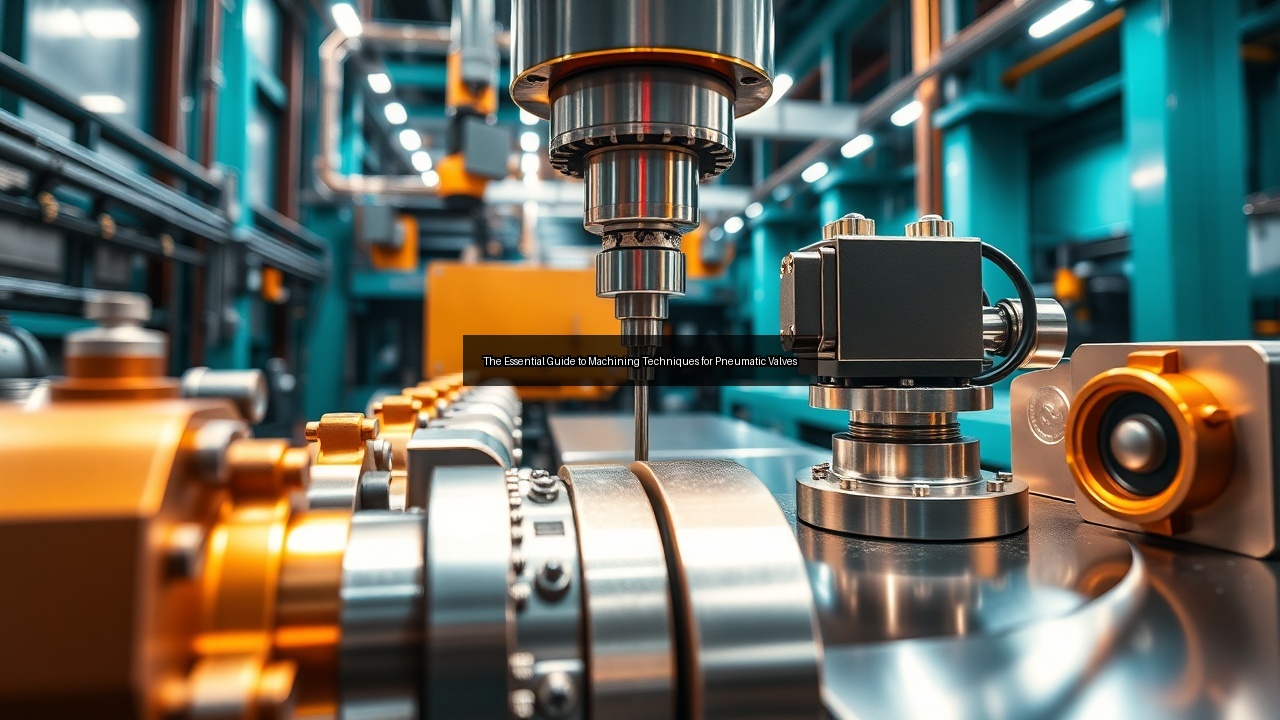
Machining pneumatic valves involves several processes to create precise and durable components. Common techniques include CNC milling, turning, and drilling. CNC milling allows for intricate designs and high precision, crucial for parts that require exact specifications. Turning, on the other hand, is ideal for creating cylindrical shapes such as valve bodies and stems. Drilling is often used to create ports and holes necessary for airflow. Manufacturers may also employ grinding to achieve smooth finishes and tight tolerances. Each machining process plays a vital role in ensuring that pneumatic valve parts meet quality standards and operate effectively within various systems.
Precision Machining and Its Importance in Valve Manufacturing
Precision machining is vital in the manufacturing of pneumatic valves as it ensures that each part fits together seamlessly, reducing the risk of leaks and failures. Tight tolerances are necessary for pneumatic systems, as even minor discrepancies can lead to significant performance issues. Advanced machining technologies, such as Computer Numerical Control (CNC) machines, facilitate the production of components with exceptional accuracy. Manufacturers benefit from investing in precision machining, as it leads to higher-quality products, increased efficiency, and ultimately, greater customer satisfaction. The importance of precision in pneumatic valve machining cannot be overstated, as it directly impacts the reliability and functionality of the entire valve assembly.
Material Selection for Pneumatic Valve Components
The choice of materials for pneumatic valve components significantly affects their performance and durability. Common materials include aluminum, stainless steel, and brass, each offering unique properties suited for different applications. Aluminum is lightweight and resistant to corrosion, making it ideal for applications where weight reduction is essential. Stainless steel provides strength and resistance to high pressure and temperature, suitable for demanding environments. Brass, while less common, offers good machinability and is often used in low-pressure applications. Manufacturers must carefully consider the operating conditions and requirements of the pneumatic system when selecting materials to ensure optimal performance and longevity of the valves.
Best Practices in Pneumatic Valve Manufacturing
Quality Control in Pneumatic Valve Machining
Quality control is paramount in pneumatic valve machining to ensure each component meets stringent industry standards. Implementing a robust quality control process involves inspecting materials, monitoring machining processes, and conducting final product tests. Manufacturers utilize various inspection methods, including dimensional checks, pressure testing, and functional testing, to verify that each valve performs as intended. By maintaining high-quality standards, manufacturers can minimize defects, reduce warranty claims, and enhance their reputation in the industry. A commitment to quality not only improves product reliability but also fosters customer trust and loyalty in a competitive market.
Managing Production in a Valve Manufacturing Factory
Effective production management in a pneumatic valve manufacturing factory requires a balance of efficiency, quality, and cost-effectiveness. Streamlining workflows, optimizing resource allocation, and implementing lean manufacturing principles can significantly enhance productivity. Utilizing advanced manufacturing technologies, such as automation and robotics, can also improve production rates and reduce labor costs. Additionally, training employees on best practices and safety protocols ensures a skilled workforce capable of maintaining high standards. By focusing on continuous improvement and adapting to changes in demand, manufacturers can achieve operational excellence and remain competitive in the pneumatic valve market.
Case Study: Hogge Precision Parts and Their Machining Techniques
Hogge Precision Parts exemplifies excellence in pneumatic valve manufacturing through innovative machining techniques. This company integrates state-of-the-art CNC technology with a commitment to quality, enabling them to produce high-performance pneumatic valves consistently. Their machining processes include advanced milling, turning, and grinding, which guarantee precision and durability. Hogge Precision Parts also prioritizes employee training and quality assurance, ensuring that every valve meets rigorous standards. This case study highlights the importance of investing in technology and workforce development to remain competitive in the evolving landscape of pneumatic valve manufacturing.
Future Trends in Pneumatic Valve Machining
Innovations in Pneumatic Valve Engineering
Innovations in pneumatic valve engineering continue to shape the future of the industry. Manufacturers are exploring new designs that enhance efficiency and reduce energy consumption. Smart valves equipped with sensors and IoT technology offer real-time monitoring and control, enabling predictive maintenance and improved system performance. Researchers are also investigating advanced materials that provide better durability and resistance to wear and tear. These innovations not only improve the pneumatic valve manufacturing and machining functionality of pneumatic valves but also contribute to the overall sustainability of pneumatic systems. Staying abreast of these developments is crucial for manufacturers looking to maintain a competitive edge in the market.
The Impact of Automation on Valve Manufacturing
Automation significantly transforms pneumatic valve manufacturing, streamlining production processes and enhancing efficiency. Automated machining systems reduce human error, increase precision, and allow for higher production rates. Robotics play a vital role in handling materials, assembling components, and conducting quality inspections. Manufacturers adopting automation benefit from reduced labor costs and improved consistency in product quality. Furthermore, automation enables companies to respond quickly to changing market demands, producing customized solutions without compromising efficiency. Embracing automation positions manufacturers for success in an increasingly competitive landscape.
Sustainability Practices in Machining Pneumatic Valves
Sustainability practices have become essential in pneumatic valve machining as manufacturers seek to minimize their environmental impact. Implementing energy-efficient machining processes, recycling materials, and reducing waste are key strategies for achieving sustainability. Manufacturers are increasingly turning to eco-friendly materials and technologies that reduce energy consumption and emissions during production. Additionally, optimizing supply chains for sustainability not only benefits the environment but also appeals to customers who prioritize responsible sourcing. By integrating sustainability into their operations, manufacturers can enhance their brand reputation while contributing to a greener future.
See Also
- Exploring the Intersection of Technology and Pneumatic Valve Engineering
- Leveraging CNC Technology in the Machining of Pneumatic Valves
- Navigating the Challenges of Pneumatic Valve Machining in Factories
- How to Choose the Right Pneumatic Valve Manufacturer for Your Needs
- The Art and Science of Machining Hydraulic and Pneumatic Valves