Preventing Mold Growth in Warehouses with Industrial Dehumidifiers
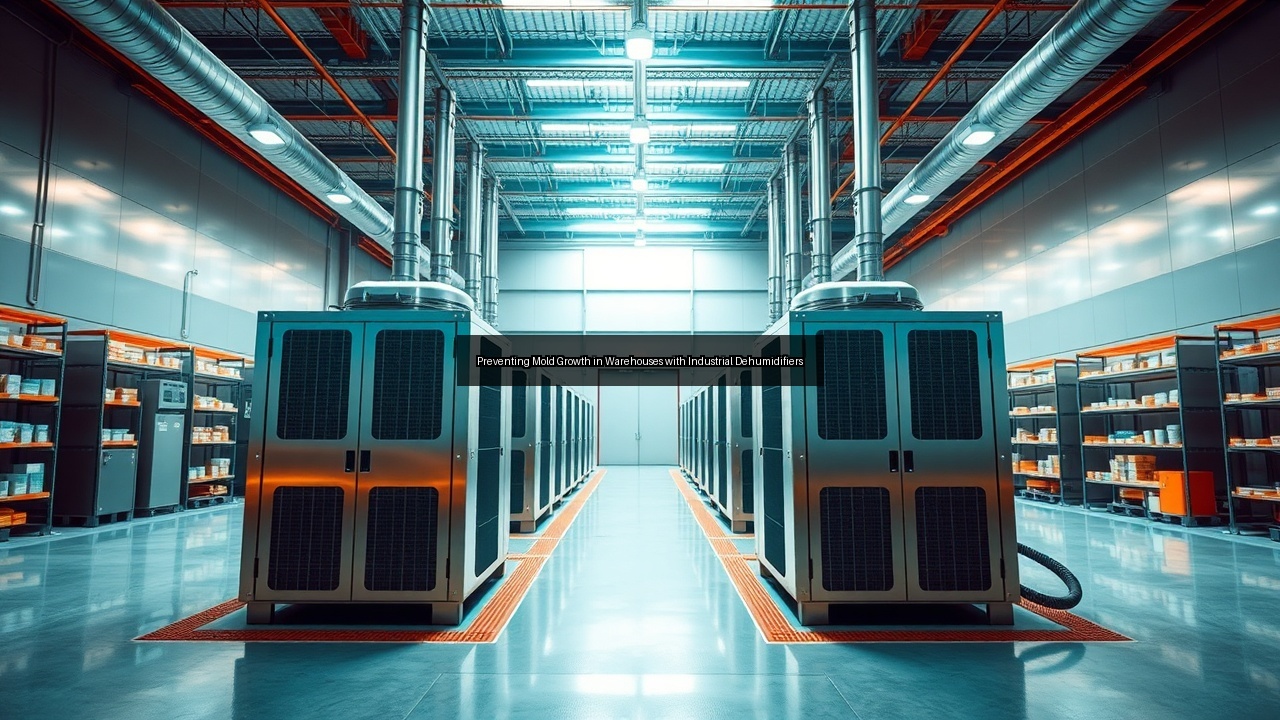
Understanding Mold Growth in Warehouses
The Science of Mold and Its Growth Conditions
Mold thrives in environments with adequate moisture, warmth, and organic material. It reproduces quickly through spores, which can easily become airborne and settle on various surfaces. These spores germinate when conditions are favorable, leading to significant infestations. In warehouses, organic materials such as wood, paper, or food products provide a perfect breeding ground for mold. Understanding the biology of mold helps warehouse managers implement effective prevention strategies. Controlling moisture levels is critical, as mold requires humidity levels above 60% to flourish. By addressing the conditions that encourage mold growth, businesses can protect their assets and ensure a safe environment for employees.
Impact of Humidity on Mold Proliferation
Humidity plays a pivotal role in mold proliferation. High humidity creates the ideal conditions for mold spores to germinate and multiply. When industrial-grade dehumidifers air moisture levels exceed 60%, the risk of mold growth escalates. In warehouses, fluctuations in temperature and humidity can lead to condensation, creating localized areas of moisture. This situation is particularly problematic in storage areas where goods are kept for extended periods. By monitoring and controlling humidity levels, businesses can significantly reduce the likelihood of mold infestations. Industrial dehumidifiers serve as a key component in this strategy, effectively lowering moisture levels and creating an inhospitable environment for mold.
Consequences of Mold Infestation in Industrial Settings
The consequences of mold infestation in warehouses can be dire. Mold can damage products, particularly in sectors like food packaging, electronics, and the pharmaceutical industry, where contamination can lead to recalls and financial losses. Beyond economic implications, mold poses health risks to employees, causing respiratory issues and allergic reactions. Furthermore, mold remediation can be costly and time-consuming, disrupting operations. Proactive measures to prevent mold growth not only safeguard products and personnel but also enhance overall operational efficiency. Investing in an industrial dehumidifier becomes a crucial step in protecting assets, ensuring compliance with health regulations, and maintaining a productive work environment.
The Role of Industrial Dehumidifiers in Preventing Mold
How Dehumidification Works
Dehumidification works by removing excess moisture from the air, reducing humidity levels to a range that inhibits mold growth. Industrial dehumidifiers achieve this through various methods, including refrigeration and desiccant technology. Refrigeration dehumidifiers cool the air, causing moisture to condense and collect in a reservoir. This process effectively lowers the air moisture content, making it less conducive for mold spores to thrive. Desiccant dehumidifiers, on the other hand, utilize materials that absorb moisture from the air. Both systems can be tailored to meet the specific needs of a warehouse, ensuring optimal humidity control. Implementing these systems not only prevents mold but also protects inventory and extends the lifespan of the building's infrastructure.
Types of Industrial Dehumidifiers
Several types of industrial dehumidifiers cater to different applications and environments. Refrigeration dehumidifiers are suitable for areas with moderate humidity and temperature fluctuations. They work efficiently in warehouses that maintain a consistent temperature. For more extreme humidity conditions, desiccant dehumidifiers excel, utilizing hygroscopic materials to absorb moisture, making them ideal for environments like food packaging and pharmaceuticals. Portable dehumidifiers offer flexibility for smaller spaces or temporary needs, while centralized systems provide comprehensive solutions for large warehouses. Understanding the unique requirements of your warehouse will guide the selection process, ensuring effective moisture control and mold prevention.
Selecting the Right Dehumidifier for Your Warehouse
Selecting the right industrial dehumidifier involves considering various factors, including the size of the warehouse, the existing HVAC system, and the specific humidity levels that need to be controlled. Calculate the required dehumidification capacity in CFM (cubic feet per minute) based on the warehouse's volume and moisture load. Evaluate the compatibility of the dehumidifier with existing climate control systems to ensure seamless integration. Additionally, consider the energy efficiency ratings to minimize operational costs. Investing in an industrial-grade dehumidifier tailored to your warehouse’s unique conditions mitigates mold risks and enhances overall air quality, creating a healthier environment for products and personnel alike.
Optimal Climate Control Strategies
Integrating Dehumidifiers with HVAC Systems
Integrating industrial dehumidifiers with existing HVAC systems optimizes climate control in warehouses. This integration ensures that air circulation is maintained while effectively removing humidity. HVAC systems often struggle to manage humidity levels, especially in larger spaces or during periods of high moisture. By adding a dehumidifier, you enhance the overall efficiency of the HVAC system, allowing for better temperature and moisture regulation. This synergy not only prevents mold growth but also improves energy efficiency, reducing operational costs. Regular maintenance of both systems ensures consistent performance, safeguarding against unexpected humidity spikes that could lead to mold issues.
Monitoring Dew Points and Air Moisture Levels
Monitoring dew points and air moisture levels is essential for maintaining optimal warehouse conditions. The dew point indicates the temperature at which air becomes saturated, leading to condensation. By keeping the dew point below critical thresholds, warehouse managers can effectively prevent moisture accumulation. Utilize hygrometers and data loggers to track humidity levels in real time. This proactive approach allows for timely interventions, ensuring that moisture levels remain within acceptable ranges. Regularly adjusting dehumidification strategies based on these readings can significantly reduce the risk of mold growth and promote a healthier storage environment.
Utilizing Blowers for Enhanced Air Circulation
Utilizing blowers for enhanced air circulation complements dehumidification efforts in warehouses. Proper air circulation prevents localized humidity pockets where mold can flourish. Blowers help distribute air more evenly throughout the space, facilitating consistent humidity control. By combining blowers with industrial dehumidifiers, you can create a dynamic moisture management system that addresses airflow issues. This integration not only prevents stagnant air but also enhances the overall effectiveness of the climate control strategy. Regularly assess air movement patterns in the warehouse, adjusting blower placement and speed to achieve optimal results in moisture reduction and mold prevention.
Troubleshooting and Maintenance of Dehumidifiers
Common Issues and Solutions
Industrial dehumidifiers may encounter common issues that can hinder their performance. Frequent clogs in the drainage system can lead to water buildup and reduced efficiency. Regularly inspect and clean the drainage lines to prevent this problem. Additionally, check the filters; dirty filters can restrict airflow and decrease the dehumidifier's effectiveness. Replace or clean filters according to the manufacturer's recommendations. If the unit fails to achieve the desired humidity levels, assess the overall capacity and compatibility with warehouse conditions. Troubleshooting these issues quickly ensures the dehumidifier operates at optimal efficiency, minimizing the risk of mold growth.
Maintaining Efficiency in Industrial Settings
Maintaining efficiency in industrial settings requires regular inspections and proactive maintenance of dehumidifiers. Schedule routine check-ups to clean components, inspect electrical connections, and verify operational settings. Keeping the dehumidifier clean enhances airflow and maximizes moisture removal. Monitor performance metrics to identify any deviations from expected operation, addressing them promptly to maintain efficiency. Implementing a comprehensive maintenance schedule helps ensure that dehumidifiers function optimally, supporting long-term mold prevention efforts. Additionally, training staff on proper usage and care can further enhance the lifespan and effectiveness of these vital systems.
Best Practices for Longevity and Performance
Adopting best practices for the longevity and performance of industrial dehumidifiers is crucial for effective mold prevention. Regular cleaning and maintenance not only extend the life of the unit but also enhance its efficiency. Store the dehumidifiers in a clean, dry area to prevent external contaminants from affecting performance. Monitor the surrounding environment for changes in humidity and temperature, adjusting settings as dehumidifier for industry needed. Document maintenance activities and performance metrics to track trends over time, identifying potential issues before they escalate. By following these best practices, warehouses can ensure their dehumidifiers remain reliable allies in the fight against mold growth.
See Also
- Navigating the Dew Point Understanding the Role of Dehumidifiers in Climate Control
- Understanding the Cost Benefits of Investing in Industrial Dehumidifiers
- From Electronics to Pharmaceuticals The Versatility of Industrial Dehumidifiers
- Mastering Humidity Control with Industrial Dehumidifiers for Optimal Production
- Revolutionizing Storage Solutions with Industrial Dehumidifiers